







how are f1 cars transported to different countries
Formula 1, the pinnacle of motorsport, travels across continents, showcasing thrilling races in some of the most iconic locations around the globe․ This international spectacle requires a highly intricate and efficient logistics operation to transport F1 cars and their accompanying equipment to various countries․ This article delves into the fascinating world of freight and logistics that make this possible․
The Importance of Logistics in Formula 1
In Formula 1, logistics is paramount․ Each racing team must transport nearly 50 tons of equipment, including the car itself, spare parts, pit crew gear, and hospitality suites․ The logistics operation is a finely tuned mechanism that ensures everything arrives on time, intact, and ready to race․
Air Transport and Cargo Planes
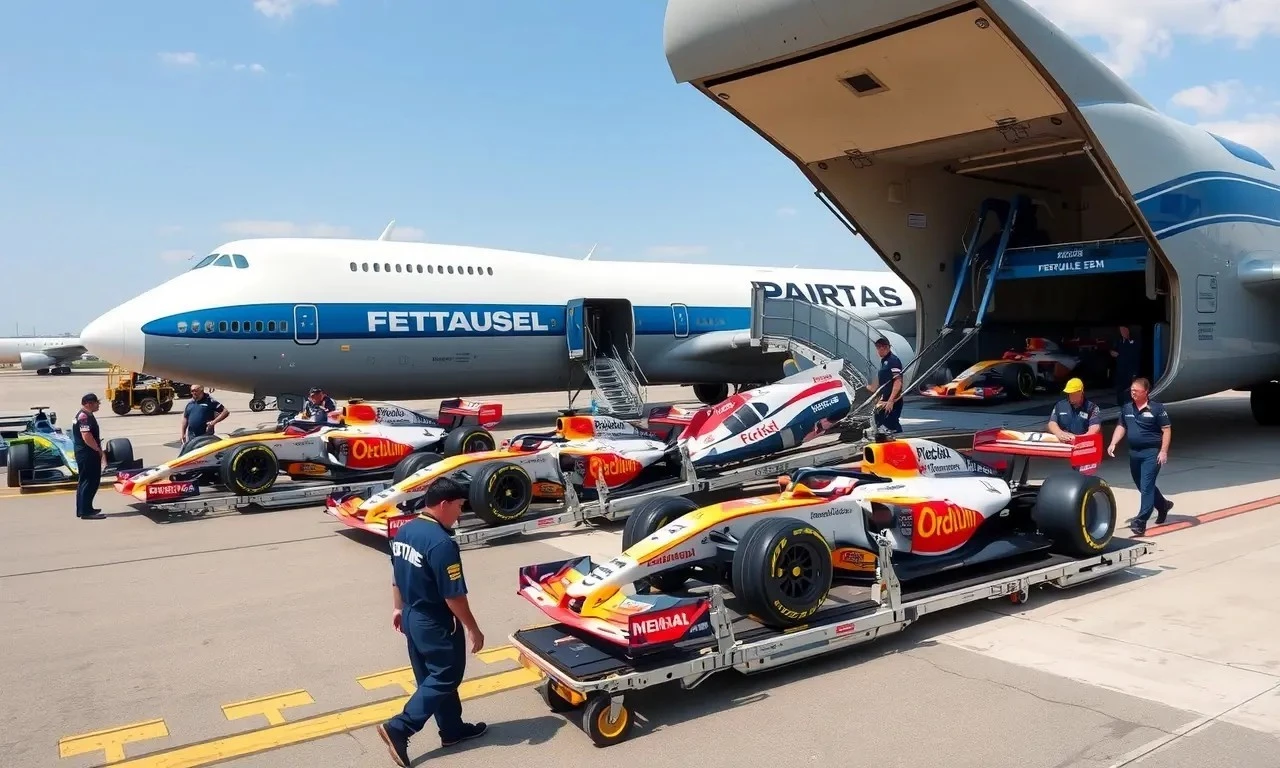
Given the international nature of F1, air transport is a critical component of the logistics puzzle․ Teams often rely on cargo planes to cover vast distances quickly․ These planes are specially chartered and can transport the bulk of the team’s required equipment, including the F1 cars․
Shipping and Containers
Alongside air transport, teams also utilize shipping containers for sea freight, especially for non-essential items that can be sent well in advance․ This method is cost-effective, albeit slower, and is typically used for races that are scheduled far apart․
Coordination and Customs
Coordination is the backbone of Formula 1 logistics․ Each team employs a dedicated logistics coordinator who manages the complex task of scheduling and ensuring all parts of the operation run smoothly․ This involves navigating international customs, securing permits, and ensuring compliance with varying regulations across different countries․
Handling Customs
Customs can be a significant hurdle in international logistics․ Teams must ensure that all paperwork is meticulously prepared to avoid any delays at the border․ This requires a deep understanding of international trade laws and close collaboration with customs officials․
The Process of Dismantling and Packaging
Before any transport can occur, the F1 cars and equipment must be dismantled and packaged appropriately․ The cars are stripped down to their chassis, with components such as wings, wheels, and engines packed separately to ensure they can fit into the cargo hold of planes or containers․
Packaging Techniques
Packaging is an art in itself, with teams using custom-built crates designed to protect sensitive equipment during transit․ Each piece is meticulously labeled, and the entire process is documented to maintain efficiency in unpacking and setting up at the destination․
Infrastructure and Efficiency
The logistics infrastructure supporting F1 is extensive, involving a network of transport companies, freight forwarders, and local support staff․ Efficiency is critical, as any delay can have significant implications for a team’s race weekend․
On-Site Handling and Paddock Setup
Once the equipment arrives at the circuit, it must be efficiently handled and moved into the paddock․ Teams have specialized crews that handle the setup, ensuring that everything is operational within a tight schedule․
The Role of Costs in F1 Logistics
Managing costs is a critical aspect of F1 logistics․ Teams must balance the need for speed and reliability with the financial constraints of transporting equipment globally․ Air freight is fast but expensive, while shipping is cheaper but slower․ Strategic decisions are made based on the race calendar and budget considerations․
Optimizing the Schedule
To minimize costs, teams optimize their logistics schedule, sending non-critical items by sea well in advance and using air transport for essential components closer to race day․ This strategic planning is essential to maintaining competitive performance while managing expenses․
The transportation of F1 cars and equipment to different countries is a complex and meticulously planned operation․ It involves a combination of air transport, shipping, and expert coordination to ensure everything is in place for each race․ With the ever-increasing demands of the global F1 calendar, logistics continue to be a critical element in the success of racing teams․
