







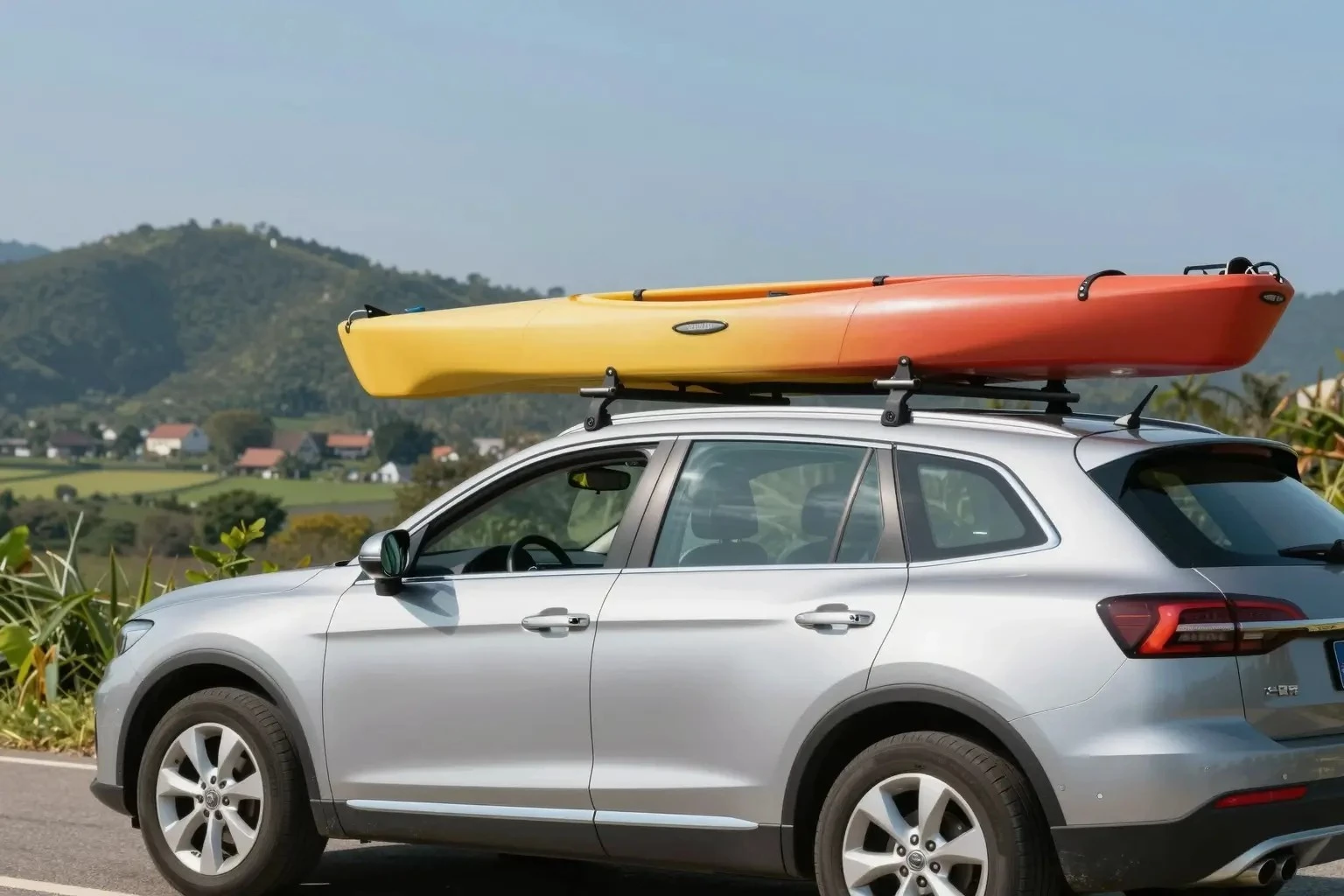
how do i transport a kayak on my car
Transporting a kayak on your car is an essential skill for kayaking enthusiasts who wish to explore different water bodies. Whether you have a hatchback, sedan, SUV, or truck, understanding how to securely attach your kayak to your vehicle is crucial. In this guide, we will explore the various steps and equipment needed to safely transport a kayak and ensure a smooth journey.
Understanding Your Vehicle’s Roof Setup
Before you start, it’s important to understand your vehicle’s roof setup. Different vehicles have varying roof structures, which influence how you load and secure a kayak. Here are some common setups:
- Hatchback: Often have shorter roofs. Consider using crossbars and a kayak carrier for stability.
- Sedan: Typically have longer roofs than hatchbacks, allowing for better weight distribution.
- SUV: Usually equipped with roof rails, making them ideal for roof racks and kayak carriers.
- Truck: May require a specialized rack system if the kayak is too long for the truck bed.
Essential Equipment for Transporting a Kayak
To transport a kayak safely, you will need specific equipment to secure the load on your vehicle’s roof. Here’s what you need:
Roof Rack
A roof rack is the foundation for transporting a kayak. It typically consists of two crossbars that provide a stable base for mounting your kayak. Roof racks can be mounted on existing roof rails or directly onto the roof if your vehicle lacks rails.
Kayak Carrier
A kayak carrier is designed to hold your kayak securely on the roof rack. There are various types of carriers, such as J-cradles, saddles, and stackers, each providing different levels of support and convenience.
Tie-down Straps
Use tie-down straps to secure the kayak to the roof rack. These straps should be strong and durable, with cam buckles for easy tightening and securing.
Foam Blocks
Foam blocks provide additional padding to protect both the kayak and the vehicle’s roof. They are especially useful if your vehicle lacks a roof rack system.
Step-by-Step Guide to Loading Your Kayak
Now that you have the necessary equipment, follow these steps to load your kayak onto your car safely:
Step 1: Prepare Your Vehicle
Ensure your vehicle is parked on a flat surface and that the roof rack or foam blocks are securely in place. This creates a stable base for loading the kayak.
Step 2: Position the Kayak
With help, lift the kayak and position it parallel to the vehicle. Align the kayak with the roof rack, ensuring the weight is evenly distributed across the crossbars or foam blocks.
Step 3: Secure with Tie-down Straps
Use the tie-down straps to secure the kayak to the roof rack. Loop the straps over the kayak and through the crossbars, then tighten them using the cam buckles. Ensure the kayak is snug and does not shift when pushed.
Step 4: Check Stability
Once secured, gently shake the kayak to check for stability. It should remain firmly in place. Double-check the tightness of the straps and make adjustments if necessary.
Safety Tips for Transporting a Kayak
Safety is paramount when transporting a kayak. Here are some tips to ensure a safe journey:
- Weight Distribution: Ensure the kayak’s weight is evenly distributed across the roof to prevent swaying.
- Padding: Use foam blocks or additional padding to protect both the kayak and your vehicle from scratches.
- Speed Limit: Drive at a moderate speed, especially when taking turns or driving in windy conditions.
- Regular Checks: Stop periodically during long journeys to check the straps and ensure the kayak remains secure.
Loading and Unloading Considerations
Loading and unloading the kayak can be challenging, especially for larger kayaks or solo travelers. Here are some tips to make the process easier:
Loading Tips
Consider using a step stool or ladder to gain better access to the roof. If available, seek assistance from another person to lift and position the kayak, reducing the risk of injury or damage to the vehicle.
Unloading Tips
When unloading, reverse the loading process. Carefully release the tie-down straps and, with assistance, lift the kayak off the roof. Place it gently on the ground to avoid damage.
Transporting a kayak on your car is a straightforward process with the right equipment and preparation. By using a roof rack, kayak carrier, tie-down straps, and foam blocks, you can ensure your kayak is secure and stable throughout the journey. Always prioritize safety by checking the load regularly and driving cautiously. With these tips, you’re ready for your next kayaking adventure, whether it’s a short trip to a nearby lake or a long journey to explore new waters.
