







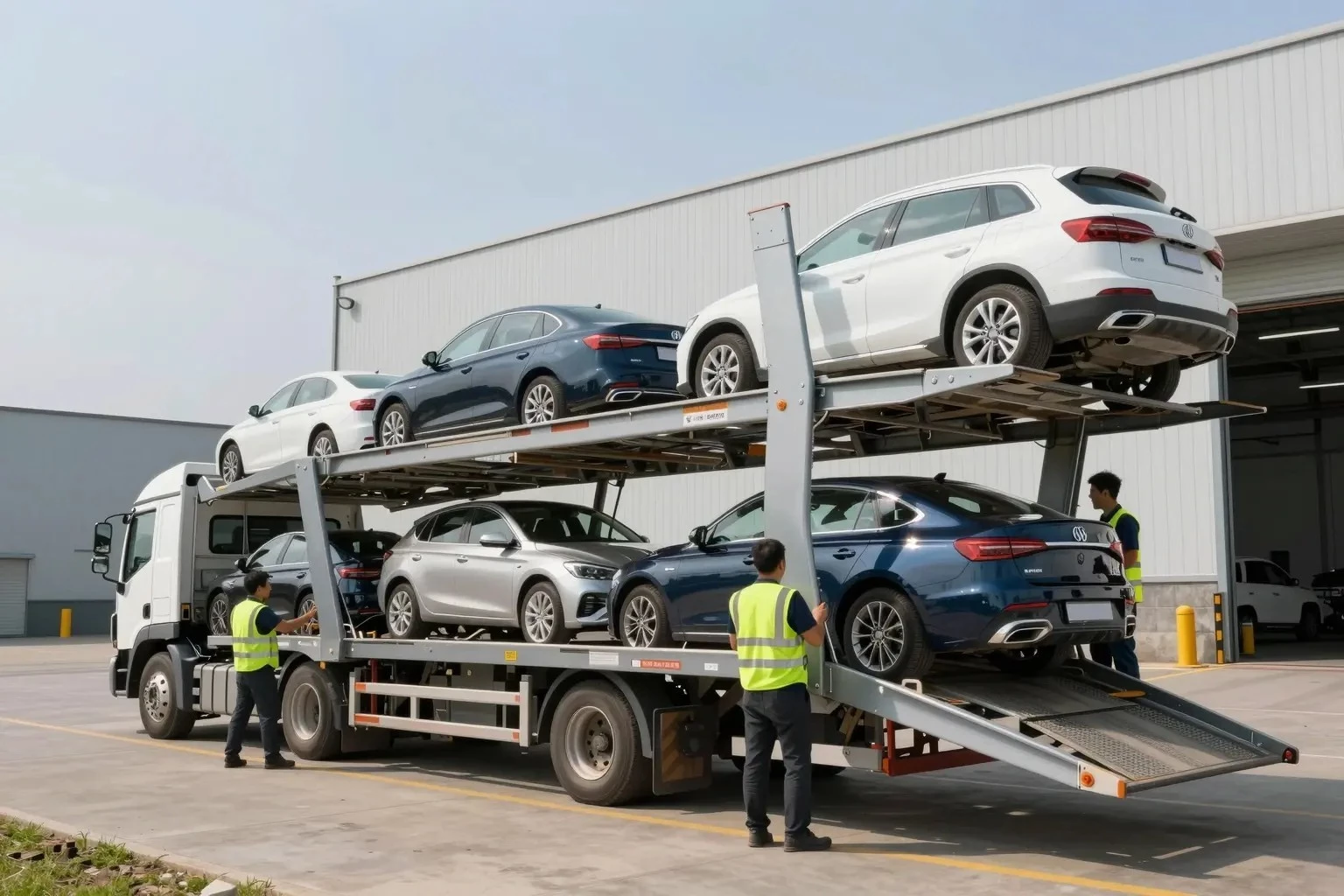
how do they load car transporters
Car transport is a vital component of the logistics industry, ensuring that vehicles are moved efficiently and safely from manufacturing plants to dealerships, auctions, or customers. The process of loading car transporters involves a series of specialized loading techniques that prioritize safety, efficiency, and secure fastening of vehicles. In this article, we will explore the intricacies of vehicle logistics, focusing on auto carriers, ramp systems, and the numerous factors that impact the successful loading of car haulers.
The Basics of Car Transport
Car transporters, often referred to as auto carriers, are designed to carry multiple vehicles simultaneously. These transporters are equipped with specific features that facilitate the loading and unloading process, maximizing transportation efficiency and minimizing the risk of damage. Key components of these transporters include ramp systems, secure fastening mechanisms, and sophisticated designs tailored for optimal weight distribution.
Ramp Systems
Ramp systems are integral to loading procedures, allowing vehicles to be driven or winched onto the transport carrier. The design of these ramps can vary, with some featuring hydraulic lifts for ease of operation. Effective ramp systems are essential for smooth loading and unloading, preventing potential damage to vehicles and ensuring safety protocols are adhered to.
Vehicle Logistics and Loading Techniques
Vehicle logistics is a complex operation that involves meticulous planning and execution. Loading techniques are critical in this process, influencing the stability and security of vehicles during transit. Proper loading sequence and weight distribution are fundamental considerations that impact transportation efficiency and vehicle handling.
Secure Fastening
Secure fastening of vehicles is achieved using chains, straps, and other mechanical equipment designed to hold vehicles in place. This step is vital to prevent movement during transport, which could lead to damage or accidents. Car haulers must ensure that all vehicles are securely fastened before embarking on any journey.
Weight Distribution and Loading Sequence
The loading sequence and weight distribution are crucial factors in car transport. Vehicles must be loaded in a manner that balances the weight across the transporter to maintain stability and prevent mechanical strain. Typically, heavier vehicles are placed on the lower levels of the carrier, while lighter ones occupy the upper tiers. This strategic arrangement aids in maintaining the balance and enhances driving safety.
Safety Protocols and Transport Regulations
Safety protocols are a cornerstone of vehicle logistics, ensuring the protection of both the vehicles and the operators. Transport regulations stipulate guidelines for loading, weight limits, and equipment standards that must be adhered to within the logistics industry.
Driver Training
Operator competence is paramount in executing efficient and safe loading procedures. Driver training programs are designed to equip drivers with the necessary skills to handle the complexities of car transport, including knowledge of transport regulations, vehicle handling, and emergency response protocols.
Innovations in Truck Design and Fleet Operations
The design of transport trucks and fleet operations is continually evolving to enhance efficiency and safety in car transport. Modern truck designs incorporate advanced mechanical equipment and technology to optimize loading and unloading processes.
Mechanical Equipment
Mechanical equipment, such as hydraulic lifts and automated securing systems, has revolutionized the way vehicles are loaded onto transporters. These innovations reduce manual labor and enhance precision in securing vehicles, contributing to overall transportation efficiency.
Fleet Operations
Effective fleet operations are essential to achieving logistical success in car transport. This involves strategic planning of routes, schedules, and the coordination of multiple transporters to meet delivery deadlines while minimizing costs and environmental impact.
Loading car transporters is a sophisticated process that requires a blend of advanced technology, strategic planning, and adherence to stringent safety protocols. From ramp systems to secure fastening and weight distribution, each aspect of the process is designed to ensure that vehicles are transported efficiently and safely. As the logistics industry continues to evolve, innovations in truck design and fleet operations will further enhance the capabilities of car transporters, setting new standards for efficiency and safety in vehicle logistics.
