







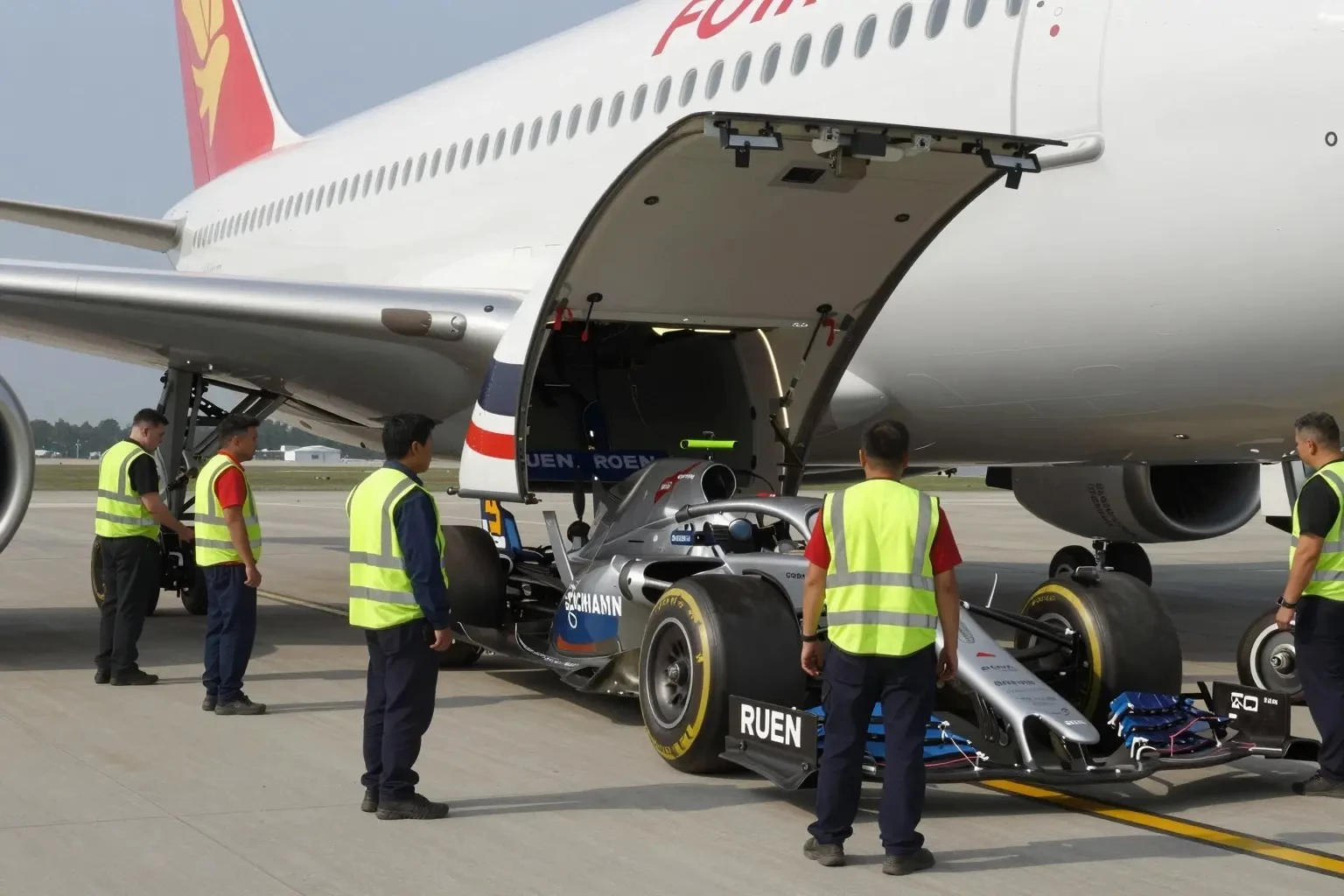
how do they transport f1 cars from country to country
Transporting Formula 1 cars across the globe is a complex operation that involves meticulous logistics and precise planning. With the racing calendar spanning multiple continents, ensuring that cars and equipment arrive on time for each motorsport event is crucial for racing teams. This article delves into the fascinating world of transport logistics that make it possible for these high-octane machines to travel around the world efficiently.
The Role of Airfreight in F1 Logistics
One of the primary methods for transporting F1 cars is airfreight. Cargo planes are utilized to move not only the cars but also the extensive amount of specialized equipment that teams require. Airfreight is preferred for its speed and reliability, allowing teams to adhere to tight schedule adherence across international circuits.
Shipping Containers and Cargo Planes
F1 cars and their components are packed into specially designed shipping containers that provide protection during transit. These containers are loaded onto cargo planes for international transport. The use of airfreight ensures that everything arrives at the destination quickly, minimizing downtime between races.
Ground Transportation and Customs Clearance
Once the cargo reaches its destination, ground transportation takes over. Specialized vehicles transport the containers from the airport to the circuit. An essential part of this process is customs clearance, where teams must navigate international regulations to ensure a smooth transition through borders.
Disassembly and Reassembly
Before transportation begins, cars undergo disassembly to fit into the containers. Upon arrival, the pit crew is responsible for the reassembly of the cars, ensuring they are ready for practice sessions, qualifying, and the race itself. This requires not only technical skill but also team coordination, as every member plays a crucial role in preparing the car.
Freight Forwarding and Team Coordination
F1 teams often work with freight forwarding companies that specialize in handling complex logistics. These companies are adept at organizing shipments to ensure timely delivery. Effective team coordination is vital, with logistics managers overseeing every detail to prevent any disruptions that could impact performance.
Cost Management and Carbon Footprint
Transporting F1 cars and equipment is costly, and teams must engage in strategic cost management to remain within budget. Additionally, the environmental impact is a growing concern, with teams striving to reduce their carbon footprint by adopting more sustainable practices whenever possible.
Challenges and Strategies
The logistics of transporting F1 cars present several challenges. Teams must account for variable factors such as weather conditions, geopolitical situations, and unexpected delays. Developing strategies to mitigate these risks is essential for success on the track.
International Circuits and Racing Calendar
The racing calendar demands that teams travel to international circuits in quick succession. This requires meticulous planning to ensure that all equipment is transported efficiently. The logistics teams must coordinate with local authorities and service providers to facilitate smooth transitions between locations.
The Importance of Schedule Adherence
Adhering to schedules is paramount in F1 logistics. Delays can have significant repercussions, potentially affecting a team’s preparation time and performance. As such, logistics teams employ advanced planning tools and real-time tracking systems to ensure that everything stays on track.
The transport of F1 cars from country to country is a testament to the incredible coordination and planning that goes into the sport. Through the use of airfreight, freight forwarding, and efficient team coordination, racing teams are able to meet the demands of the racing calendar and compete on international circuits. As the sport evolves, so too do the logistics strategies, with an increasing emphasis on sustainability and efficiency.
