







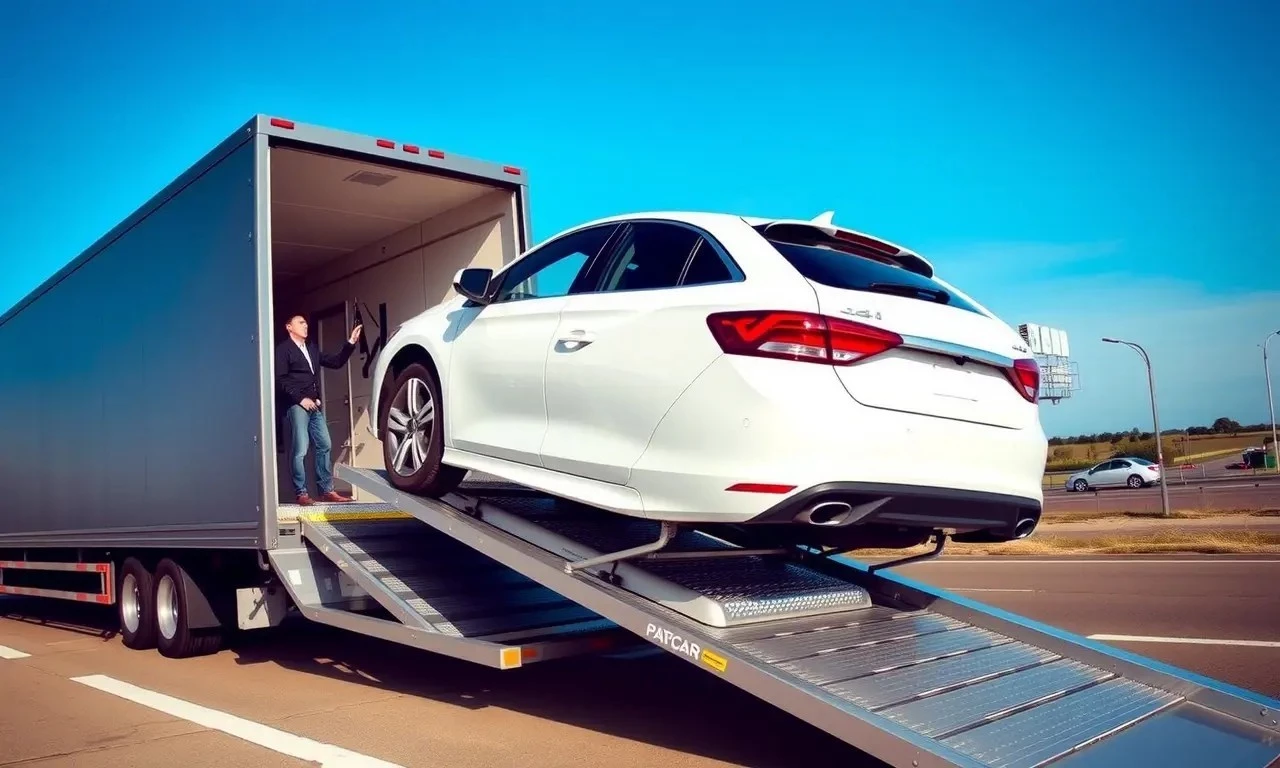
How much cost to transport a car
Transporting a vehicle across distances, whether interstate or internationally, involves a variety of factors that contribute to the overall cost. Understanding these elements can help individuals and businesses make informed decisions when considering vehicle shipping.
Key Factors Influencing Car Shipping Rates
The auto transport industry is complex, and the car shipping rates can vary widely based on several key factors:
- Distance: The most significant factor in determining vehicle transport cost is the distance between the pickup and delivery locations. Longer distances generally increase costs.
- Vehicle Size: Larger vehicles like SUVs and trucks typically cost more to ship than compact cars due to their weight and size.
- Shipping Methods: The choice between enclosed transport and open transport can affect costs. Enclosed transport offers more protection but at a higher price.
- Pickup and Delivery Options: A door-to-door service is more convenient but can be pricier compared to terminal-to-terminal service, where the car is dropped off and picked up at a transport hub.
- Insurance Coverage: Comprehensive insurance during transport can raise the shipping fees but provides peace of mind.
- Fuel Costs: Fluctuations in fuel prices can affect transport quotes and the associated freight charges.
- Seasonal Rates: Demand for shipping services can vary with the seasons, affecting car carrier availability and pricing.
Understanding Auto Transport Service Types
Choosing the right transport service is crucial for balancing budget and needs:
Open Transport vs. Enclosed Transport
Open transport is the most common and cost-effective method, where vehicles are shipped on an open trailer. While it is cheaper, the vehicle is exposed to weather and road debris. Enclosed transport provides protection in a covered trailer, ideal for luxury or classic cars, albeit at a higher cost.
Door-to-Door Service vs. Terminal-to-Terminal Service
Door-to-door service offers convenience by picking up and delivering the vehicle directly to specified locations. It is generally more expensive than terminal-to-terminal service, where vehicles are left at a designated terminal for pickup and delivery.
Cost Estimation and Quotes
To get an accurate estimate of the vehicle transport cost, it is essential to obtain multiple transport quotes from different companies. This comparison helps in understanding the market rates and negotiating better deals.
Booking Process
The booking process typically involves:
- Researching and selecting a reputable transport company.
- Requesting quotes based on your specific transport requirements.
- Comparing quotes and checking for hidden shipping fees.
- Confirming insurance coverage offered by the company.
- Scheduling the pickup and delivery dates.
Interstate and International Transport
Shipping a car interstate involves different regulations and costs compared to international transport. International shipping often requires additional documentation and higher freight charges due to customs and import duties.
Insurance and Protection
While most transport companies provide basic insurance, it is crucial to understand the extent of coverage. Additional insurance might be necessary for high-value vehicles to cover unforeseen damages during transit.
Understanding the various factors that influence the cost of vehicle shipping can help in planning and budgeting effectively. Whether choosing between enclosed transport and open transport, or deciding on door-to-door service versus terminal-to-terminal service, the key is to balance cost with convenience and protection. By considering distance, vehicle size, and delivery time, and comparing transport quotes, you can find a transport solution that meets your needs at an acceptable price.
Ultimately, the cost to transport a car depends on a multitude of factors, but with the right approach and understanding, you can navigate the process smoothly and cost-effectively.
