







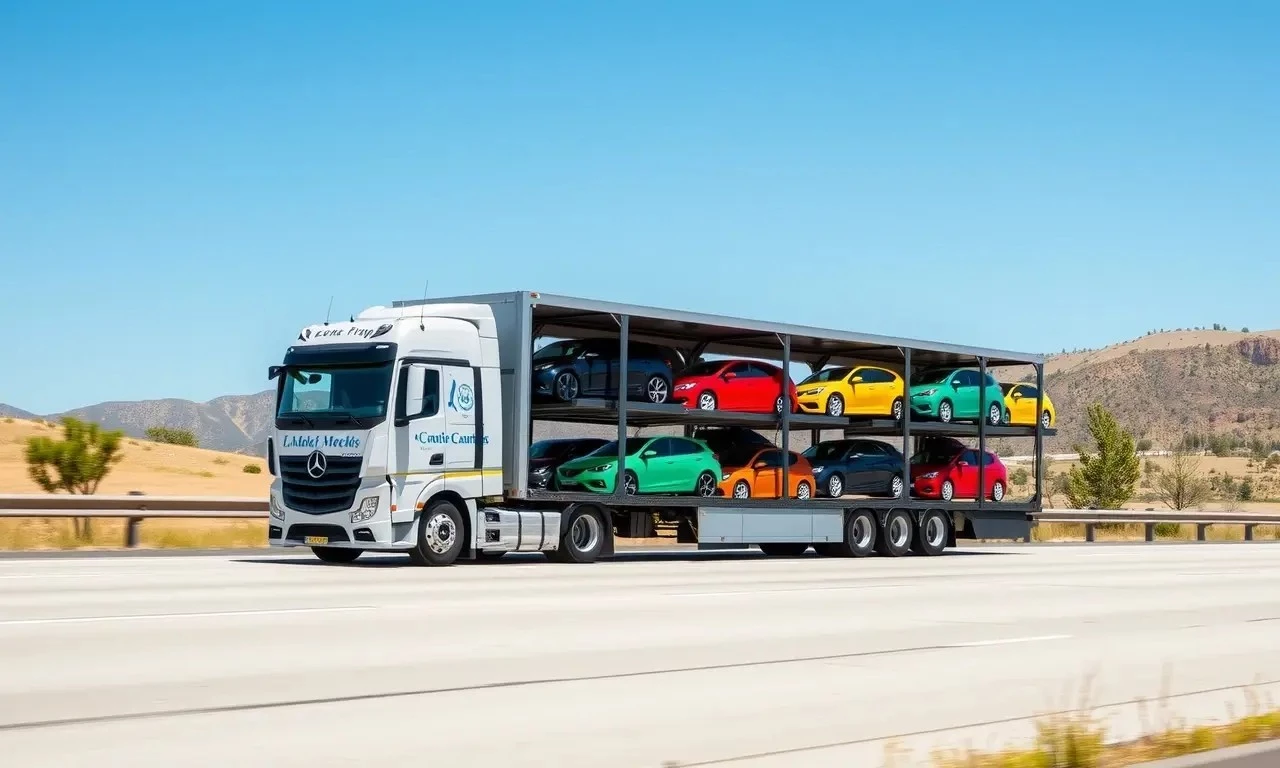
How much do car transporters charge
Understanding the costs associated with car transport is crucial for anyone looking to relocate their vehicle, whether it’s for a cross-country move or just a state-to-state transfer. Various factors influence the car shipping costs, making it imperative to comprehend how these elements can affect the final price. This article dives into the intricacies of vehicle transport fees and provides a comprehensive guide to auto transport pricing.
Factors Influencing Car Transport Charges
The cost of shipping a car is not a one-size-fits-all scenario. Several factors come into play, affecting the car moving charges you may incur:
- Distance: One of the most significant determinants of vehicle shipping rates is the distance between the pickup and delivery locations. Distance-based pricing typically means the farther the transport, the higher the cost.
- Type of Transport: The choice between enclosed transport rates and open transport rates can significantly impact pricing. Enclosed carriers offer more protection but come at a higher cost compared to open carriers.
- Vehicle Size and Weight: Larger and heavier vehicles will attract higher auto carrier expenses due to the increased space and fuel consumption required.
- Seasonality: Demand fluctuations throughout the year can affect transport cost estimates. Peak seasons may lead to higher car delivery prices.
- Route Popularity: More popular routes might be cheaper due to the availability of carriers, reducing vehicle relocation costs.
- Insurance: Opting for car transport insurance can add to the total automobile shipping fees, providing peace of mind in case of damage during transit.
Calculating Transport Costs
To get an accurate idea of potential costs, obtaining a shipping quote from various auto transport companies is advisable. Most companies provide quotes based on the factors mentioned above, allowing you to compare transport service pricing and choose the best option for your needs.
Estimating Costs for Different Transport Types
When considering the type of transport, it’s essential to understand the differences in car freight charges:
- Open Transport: This is the most common and cost-effective method, typically used for standard vehicles. However, it offers less protection against weather and road debris.
- Enclosed Transport: Provides maximum protection for classic, luxury, or high-value vehicles, but at a premium price.
Cross-Country Car Shipping
For those undertaking cross-country car shipping, the costs can be quite different from short-distance hauls. Long-distance moves often benefit from economies of scale, but the vehicle logistics costs can still be substantial. It’s vital to plan ahead and book early to secure the best rates.
Additional Cost Considerations
Besides the primary factors, consider these additional aspects that might affect your overall costs:
- Expedited Shipping: If you require faster delivery, expect increased fees.
- Pickup and Delivery Locations: Urban areas might offer lower prices due to better access, while rural or remote locations could incur additional charges.
- Fuel Prices: Fluctuating fuel costs can impact the overall pricing, as transport companies adjust their charges accordingly.
Understanding how much car transporters charge involves weighing multiple factors that contribute to the total cost. By thoroughly assessing your needs and comparing quotes, you can make informed decisions and find a service that fits your budget. Remember that while cost is important, the quality and reliability of the auto transport companies should also play a significant role in your choice.
