







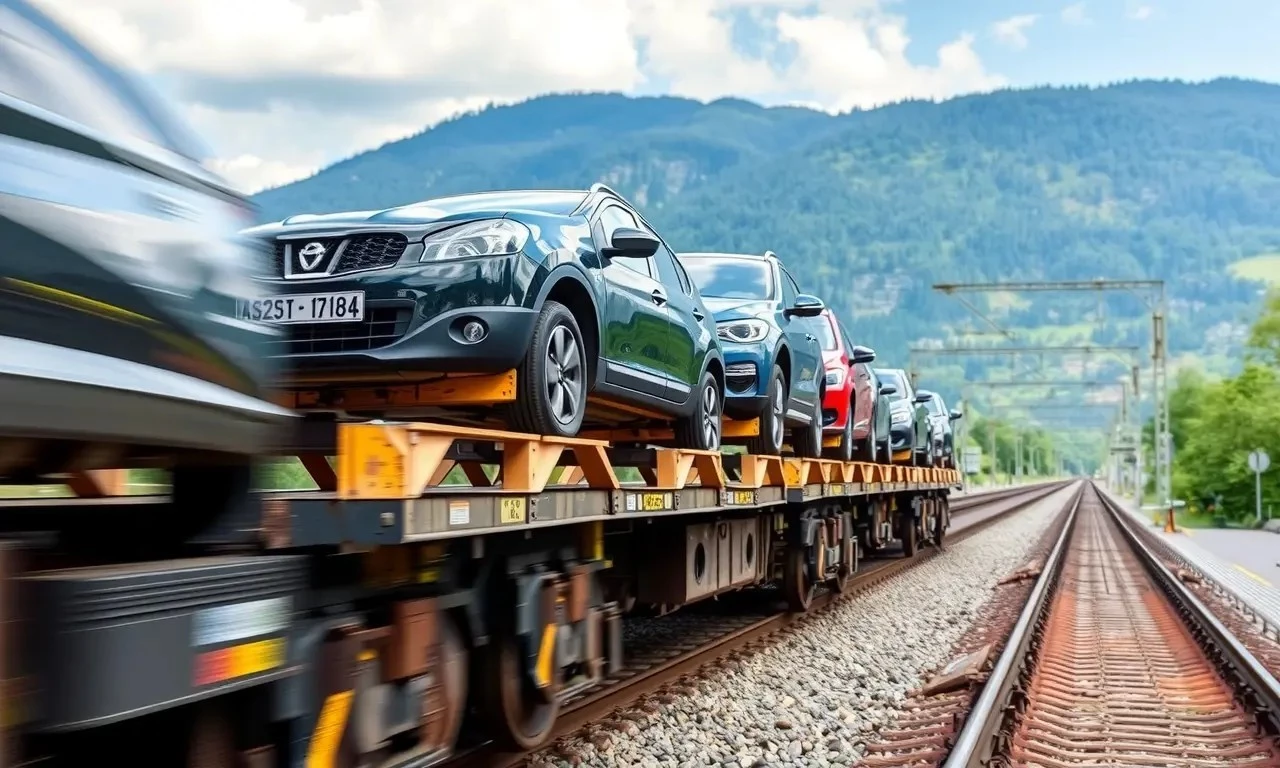
how are cars transported on trains
The transportation of automobiles via rail transport plays a crucial role in the logistics of the automotive industry.
As the demand for efficient vehicle shipping grows, railways offer a reliable and effective solution for moving cars
across vast distances. This article explores the process and infrastructure behind the transportation of cars on freight
trains, specifically focusing on car carriers and other elements of transportation logistics.
The Role of Rail Transport in Automotive Logistics
Rail transport has long been a cornerstone of efficient logistics management. In the context of the automotive industry,
it provides a viable alternative to road transport, especially for long-distance hauls. Freight trains, with their
extensive railroad networks, serve as the backbone of this system, facilitating the movement of large volumes of vehicles
simultaneously.
Carriers and Train Cars Used
Car carriers are specialized train cars designed to transport vehicles securely. These train cars come in various forms,
including enclosed and open-air models, each tailored to protect the cargo during transit. The choice of carrier often
depends on factors such as distance, weather conditions, and the type of vehicles being transported.
Loading Process and Cargo Handling
The loading process of cars onto trains is a meticulous operation that requires precision and care. The process begins
at distribution centers, where vehicles are prepared for transit. Skilled personnel oversee the loading, ensuring each
vehicle is secured correctly onto the train cars. This step is crucial in preventing damage during transit and ensuring
transportation efficiency.
Vehicle Shipping and Rail Infrastructure
The efficiency of vehicle shipping via rail largely depends on the existing rail infrastructure. Well-maintained
railroad networks and modern rail terminals enhance the speed and safety of transport. These facilities are equipped
to handle the high demands of freight services, supporting seamless transitions of cargo between different modes of
transport.
Intermodal Transport and Shipping Containers
In many cases, cars are transported using intermodal transport systems, which combine rail with other transportation
modes like trucks and ships. Shipping containers play a pivotal role in this process, providing a standardized and
secure method for handling cargo. This method is particularly advantageous for international shipping, where seamless
transitions are necessary.
Logistics Management and Rail Terminals
Effective logistics management is key to the successful transportation of cars on trains. Rail terminals act as critical
hubs in the distribution network, facilitating the efficient loading and unloading of vehicles. These centers are
strategically located to optimize the flow of goods, reducing transit times and costs.
Benefits of Using Railways for Car Transportation
Utilizing railways for transporting cars offers several benefits. It reduces road congestion and minimizes the carbon
footprint of the automotive industry. Rail transport is also highly reliable, with freight trains operating on
schedules that can be precisely controlled, unlike road transport which is susceptible to traffic delays.
Challenges and Future Prospects
Despite its advantages, rail transport faces challenges such as infrastructure investment and maintenance costs. However,
advancements in technology and increased focus on sustainable practices are paving the way for more efficient rail
services. Future prospects include the integration of smart technologies to enhance tracking and management of
vehicle shipments.
strategy. The use of specialized car carriers, coupled with robust rail infrastructure and efficient logistics
management, ensures that vehicles are transported safely and efficiently across regions. As the demand for sustainable
transportation solutions grows, rail transport will continue to play a vital role in the global supply chain.
