







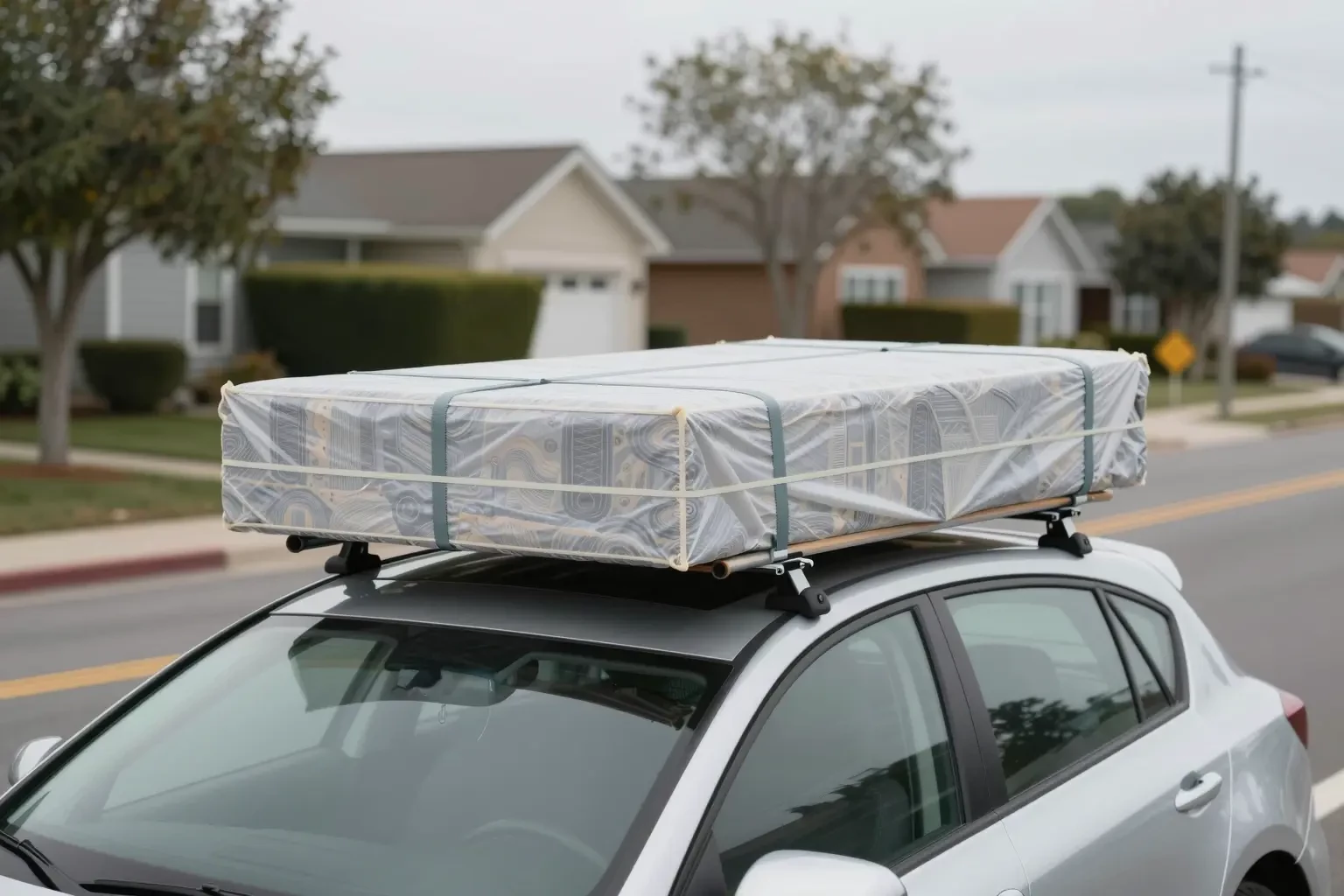
How to transport a box spring on a car
Transporting a box spring using a car can be a challenging task‚ especially if you lack the necessary equipment and knowledge. However‚ with the right approach and careful planning‚ you can safely and effectively move a box spring even with a standard vehicle. This guide will walk you through the essential steps and considerations to make your journey as smooth as possible.
Preparing for Transportation
Before you begin the transportation process‚ it’s crucial to ensure that you have all the required equipment ready. This includes:
- Roof rack: A sturdy roof rack is essential for carrying large items like a box spring on the top of your car. Make sure it is properly installed and can support the weight of the box spring.
- Tie-down straps: These are vital for securing the box spring to the roof rack. Opt for high-quality straps that can withstand wind resistance during the journey.
- Bungee cords: These can provide additional security‚ ensuring that the box spring does not shift during transit.
- Protective cover: A cover will protect the box spring from dirt‚ dust‚ and potential damage during transportation.
Assessing the Vehicle and Load
Before loading the box spring onto your vehicle‚ consider the weight and balance. Ensure that your car can handle the extra load without compromising safety. Check the vehicle’s manual to confirm the maximum weight capacity of your roof rack.
Load Placement and Packing
Proper packing is crucial for maintaining balance and reducing wind resistance. Place the box spring centrally on the roof rack to distribute the weight evenly. Avoid overloading one side‚ as this can affect the vehicle’s stability while driving.
Securing the Box Spring
Once positioned correctly‚ use the tie-down straps to secure the box spring firmly to the roof rack. Follow these guidelines for optimal security:
- Place the straps over the box spring at multiple points to prevent movement.
- Tighten the straps securely but avoid overtightening‚ which could damage the box spring.
- Use bungee cords for additional support‚ ensuring they are tightly fastened to avoid slipping.
Safety Precautions
Ensuring safety during the transportation process is paramount. Here are some important precautions to observe:
- Regularly check the straps and cords during the journey to ensure they remain secure.
- Drive at a moderate speed to minimize wind resistance and maintain control of the vehicle.
- Avoid sudden stops or sharp turns that could dislodge the box spring.
- Be mindful of the height clearance when driving under bridges or through tunnels.
Driving and Journey Considerations
Once the box spring is secured‚ it’s time to embark on your journey. Keep the following driving tips in mind:
Speed and Maneuvering
Drive at a slower pace than usual to accommodate the extra load. This will help maintain control and stability.
Route Planning
Plan your route to avoid roads with low bridges or overhangs that could pose a risk. Consider taking less congested roads to reduce the need for frequent stops and starts.
Unloading and Post-Transport Check
Once you reach your destination‚ carefully unload the box spring. Follow these steps:
- Park the vehicle on a flat surface for stability.
- Remove the bungee cords and tie-down straps cautiously to avoid snapping or whipping injuries.
- Lift the box spring off the roof rack with the help of another person if necessary.
After unloading‚ inspect the box spring for any signs of damage that may have occurred during transit.
Transporting a box spring on a car requires careful planning and execution to ensure safety and protect the load. By equipping yourself with the right tools and following the outlined steps‚ you can successfully manage this task without incident. Remember to always prioritize safety and take necessary precautions throughout the transportation process.
