






how are cars transported to dealers
In the modern world, the process of getting cars from manufacturers to dealerships involves a complex logistics network. This intricate system ensures that vehicles are delivered efficiently and in pristine condition. The logistics network comprises various methods, including transport trucks, rail transport, and shipping via port facilities. Each mode of transport plays a critical role in the supply chain, ensuring that vehicles reach their final destination on time.
Vehicle Logistics and Supply Chain
Vehicle logistics involves the management of the movement of cars from the point of manufacture to the point of sale. This process is a vital component of the auto transport industry and requires careful coordination between manufacturers, logistics providers, and dealerships. The goal is to optimize routes, manage inventory, and minimize transit times.
Car Carriers and Transport Trucks
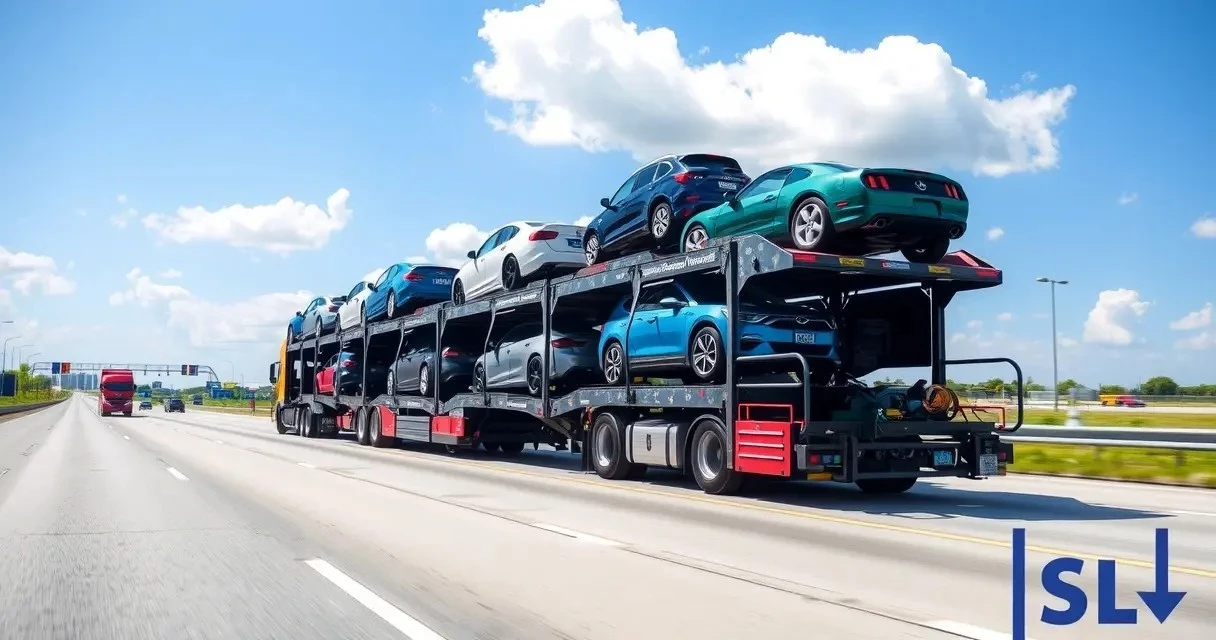
The most visible method of transporting cars is through car carriers and transport trucks. These specialized trucks are designed to carry multiple vehicles at once, maximizing efficiency and cost-effectiveness. Transport trucks pick up cars from manufacturers or port facilities and deliver them to dealerships across various routes. Loading and unloading are critical steps in this process, demanding precision to avoid damage to the vehicles.
Rail Transport
For long-distance transportation, rail transport is often utilized. Rail networks provide a reliable means of moving large volumes of vehicles over vast distances. Trains can carry hundreds of cars in their specially designed auto racks. This method is particularly popular in countries with extensive rail infrastructure, as it reduces traffic congestion on highways and lowers emissions compared to road transport.
Shipping and Port Facilities
When it comes to international logistics, shipping via sea is essential. Vehicles are loaded onto ships at port facilities and transported across oceans to their destination countries. Upon arrival, they are unloaded and either transported by rail or road to their final destination. Port facilities play a crucial role in maintaining the flow of vehicles, ensuring they are processed efficiently to avoid delays.
Freight Management and Transit
Managing the freight aspect of vehicle logistics requires a keen understanding of the various factors that influence transportation. This includes the selection of optimal routes, timing, and the coordination of different modes of transport. Freight management also involves tracking vehicles throughout their journey to ensure they remain on schedule.
Importance of Inventory Control
Effective inventory control is essential in vehicle logistics. Manufacturers and dealerships must maintain a balance between supply and demand to avoid overstocking or running out of vehicles. By keeping track of inventory levels and monitoring transit times, logistics managers can make informed decisions about vehicle distribution.
Challenges in Vehicle Logistics
Despite the advancements in technology and infrastructure, vehicle logistics face several challenges. These include fluctuating fuel prices, regulatory changes, and environmental concerns. Additionally, the logistics industry must adapt to changing consumer demands and the rise of electric vehicles, which may require different transportation methods.
The transportation of cars to dealerships is a complex yet fascinating process that involves multiple stakeholders and transportation methods. From car carriers and transport trucks to rail transport and shipping, each mode plays a vital role in ensuring that vehicles reach their final destination efficiently. As the automotive industry continues to evolve, so too will the logistics processes that support it.
