







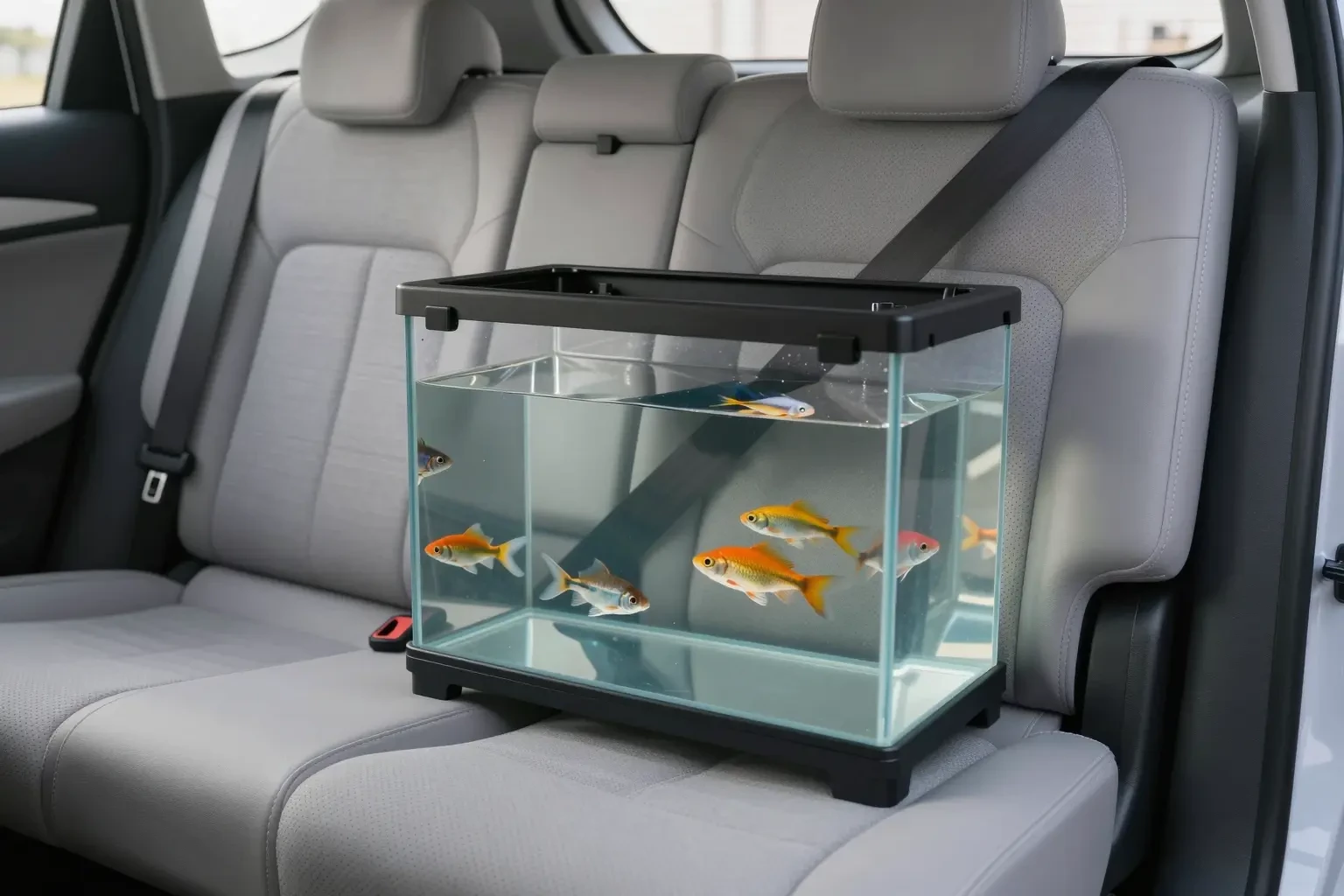
How to safely transport fish in a car
Transporting fish from one location to another can be a daunting task, especially if they’re coming from your beloved aquarium․ Ensuring their safety and health during the journey is paramount․ This article will guide you through the necessary steps to transport fish safely in a car․ We’ll cover essential aspects such as choosing the right transport container, maintaining an adequate oxygen supply, regulating water temperature, and reducing stress for the fish․
Step 1: Choose the Right Transport Container
The first step in transporting fish is selecting the appropriate transport container․ Options include plastic bags, buckets, or small tanks․ Each has its advantages:
- Plastic Bags: Ideal for short distances․ Ensure they’re made of durable, fish-safe plastic․
- Buckets: Suitable for longer trips and larger fish species․ Use a lid to prevent splashing․
- Small Tanks: Provide stability and security but require careful handling․
Whichever you choose, ensure the container has a secure lid to prevent spills and escape․
Step 2: Provide Adequate Oxygen Supply
Maintaining an adequate oxygen supply is crucial․ If using plastic bags, fill them with half water and half air․ For buckets and small tanks, consider using an air pump to keep water oxygenated․ This is especially important for longer transportation times․
Step 3: Monitor Water Temperature
Water temperature is vital for fish health․ Sudden changes can cause stress or even be fatal․ Use insulation materials like towels or foam to maintain a consistent temperature․ Regularly check the temperature, especially if traveling long distances or in extreme weather conditions․
Step 4: Reduce Stress
Fish can be easily stressed during transportation․ To reduce stress, minimize movement by placing the container securely in the car․ Avoid loud noises and sudden stops․ You can also add a water conditioner to dechlorinate tap water and reduce stress․
Step 5: Ensure Secure Placement
Secure the container to prevent tipping or sliding․ Place it on a flat surface, ideally in the car’s footwell where it’s less prone to movement․ Use seat belts or other securing methods for additional stability․
Step 6: Prepare an Emergency Kit
Always have an emergency kit on hand․ Include extra plastic bags, rubber bands, water conditioner, and a fishnet․ This kit will prepare you for unexpected situations or delays․
Step 7: Acclimate Fish Upon Arrival
Once you reach your destination, it’s crucial to acclimate the fish to their new environment․ Gradually introduce them to the new water conditions by slowly mixing the transport water with the aquarium water over time․ This process helps prevent shock․
Step 8: Consider Fish Species
Different fish species have varied requirements․ Research specific needs concerning water temperature, oxygen needs, and stress factors․ Some species are more resilient, while others require delicate handling;
Step 9: Assess Water Quality
Water quality is essential․ Use water from the fish’s original tank for transport if possible․ This ensures consistency in water parameters, reducing stress during the journey․
Transporting fish in a car requires careful planning and consideration of several factors․ By choosing the right container, maintaining proper oxygen and temperature levels, and reducing stress, you can ensure a safe journey for your aquatic friends․ Always prepare adequately and tailor your approach to the specific needs of your fish species․
With these guidelines, you can confidently transport your fish, ensuring their health and safety every step of the way․
