







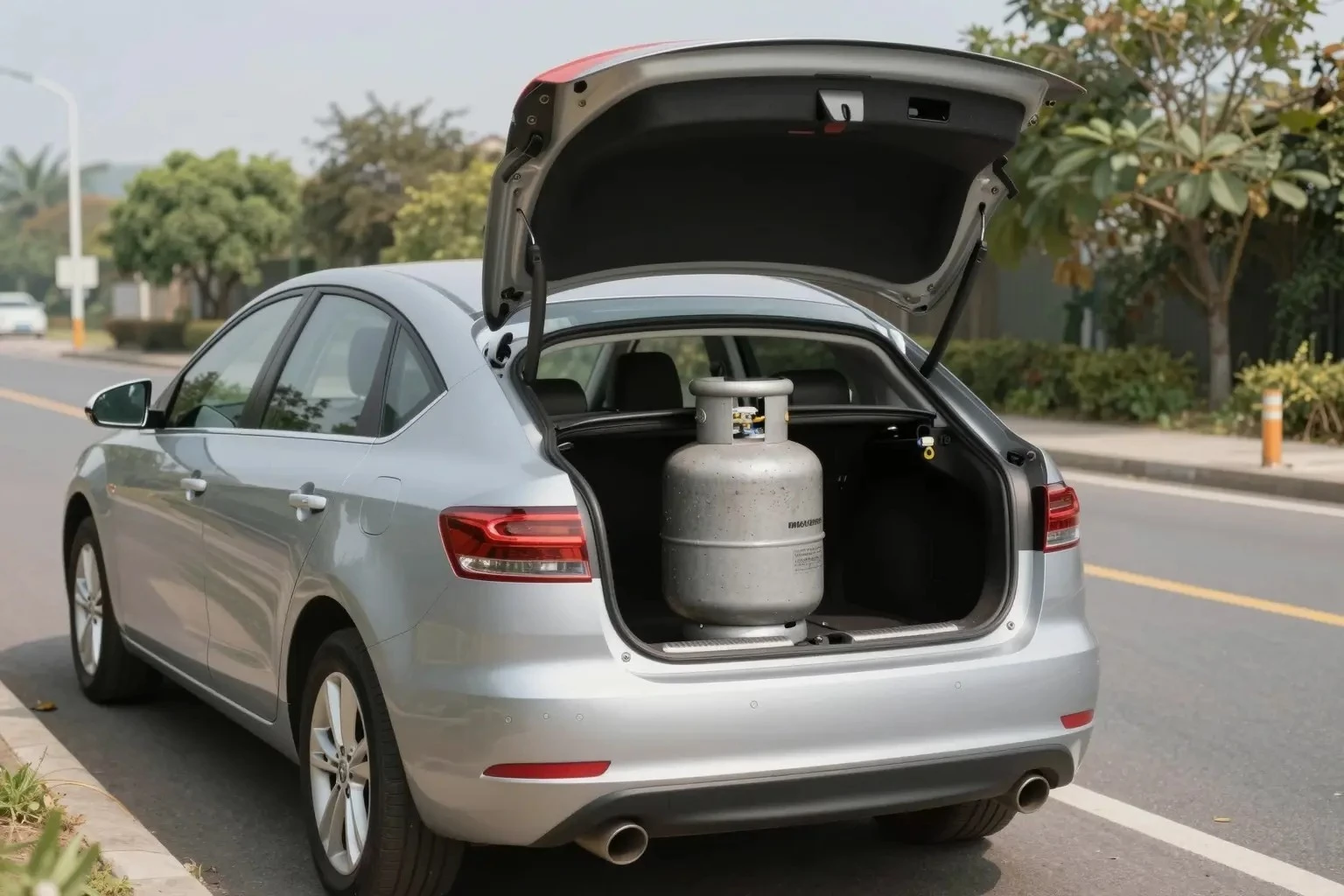
How much propane can you transport in a car
Transporting propane in a car requires careful consideration of safety regulations, capacity limits, and proper handling guidelines. Propane is a flammable gas, and improper transport can lead to dangerous situations. In this article, we will explore the regulations and best practices for safely transporting propane cylinders in a vehicle.
Understanding Propane and Its Properties
Propane is a type of liquefied petroleum gas (LPG) that is commonly used as a fuel for heating, cooking, and automotive applications. It is stored under pressure in a liquid state and is highly flammable. This makes the transport and storage of propane a matter of significant safety concern.
DOT Regulations and Legal Restrictions
The U.S. Department of Transportation (DOT) has specific regulations pertaining to the transportation of propane cylinders in vehicles. These regulations are designed to ensure public safety by minimizing the risk of leaks and explosions.
- The maximum allowable weight of propane that can be transported in a private vehicle is typically limited to 90 pounds.
- Each individual propane cylinder should not exceed a capacity of 20 pounds.
- It’s critical to check local and state laws as they may impose additional restrictions.
Safety Guidelines for Transporting Propane
When transporting propane in a car, safety should be your top priority. Here are some essential guidelines to follow:
- Ensure that propane cylinders are securely fastened in an upright position during transit to prevent tipping and potential leaks.
- Keep the vehicle well-ventilated. Open windows can help mitigate the risk of gas accumulation inside the car.
- Avoid transporting propane in the passenger compartment of the vehicle, if possible. Use the trunk or a suitable external storage area.
- Regularly check cylinders for signs of leaks before and during transport by using soapy water around connections to detect bubbles.
Temperature and Pressure Considerations
Propane tanks are designed to handle high pressure, but extreme temperatures can affect their safety:
- Avoid leaving propane cylinders in a vehicle where temperatures can rise significantly, such as direct sunlight or hot environments, which can increase the internal pressure of the tank.
- Cold temperatures can also affect propane flow and pressure, so ensure cylinders are not exposed to freezing conditions for extended periods.
Emergency Procedures
In the event of a propane leak or emergency:
- Immediately park the vehicle in a safe, ventilated area away from people and structures.
- Exit the vehicle and call emergency services if a leak is detected.
- Do not attempt to repair or stop the leak yourself if you are not qualified to do so.
Transporting propane in a car involves adhering to strict safety regulations and following best practices to ensure the safety of yourself and others. By understanding the legal limits on propane capacity, ensuring proper cylinder handling, and being prepared for emergencies, you can safely transport propane when needed. Always remain vigilant about potential leaks and maintain proper ventilation during transport. Following these guidelines will help you manage the risks associated with transporting this flammable gas.
