







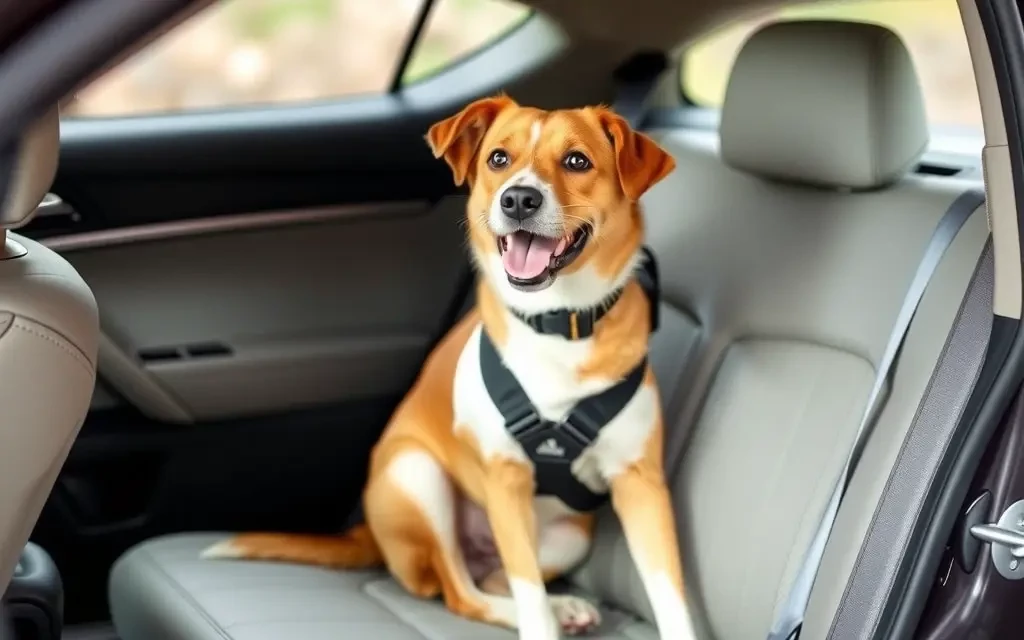
How to safely transport a dog in a car
Traveling with your furry friend can be a delightful experience, but ensuring pet safety during car travel is paramount․ Whether it’s a short drive to the park or a long road trip, implementing the right restraint system and transportation guidelines is critical․ Here, we explore the best practices for canine transport to ensure a safe journey for both you and your pet․
Understanding the Importance of Pet Safety
Animals, like humans, require appropriate safety measures when traveling in a vehicle․ Without proper restraints, dogs can suffer injuries or cause distractions to the driver, increasing the risk of accidents․ Therefore, investing in the right tools and taking necessary travel precautions is a pet owner responsibility․
Choosing the Right Restraint System
- Dog Harness: A dog harness with a seatbelt attachment is a popular choice․ It keeps your dog secure while allowing for some mobility to sit or lie down comfortably․
- Pet Carrier: For smaller dogs, a pet carrier can be an effective option․ Place the carrier in the back seat and secure it with a seatbelt․
- Travel Crate: A travel crate is ideal for larger dogs․ It not only provides a secure environment but also helps reduce travel anxiety․
- Pet Barrier: A pet barrier can be installed to prevent the dog from jumping into the front seat, maintaining a safe environment․
Additional Safety Measures
- Dog Seat Cover: Use a dog seat cover to protect your car’s upholstery and provide additional comfort for your dog․
- Secure Travel: Ensure all windows are closed or only slightly open to prevent accidental escape․
- Travel Essentials: Always carry water, a bowl, and some snacks to keep your pet hydrated and satisfied․
Preparing for the Automobile Journey
Before embarking on an automobile journey, make sure your pet is familiar with the car․ Spend some time allowing them to explore the inside of the vehicle while it is stationary, which can help reduce travel anxiety․
Pet-Friendly Vehicle Considerations
Consider a pet-friendly vehicle if you frequently travel with your dog․ Features such as easy-to-clean seats, ample space, and advanced safety systems can enhance the experience for you and your pet․
Behavioral Guidelines for Canine Transport
Understanding dog behavior is crucial for safe travel․ Training your dog to stay calm in the car is essential․ Engage in short trips initially to build their confidence and comfort․
During the Road Trip
Once on the road, make frequent stops to allow your dog to stretch and relieve themselves․ Always keep them on a leash during stops to prevent them from running into traffic․ Monitor your pet’s behavior for any signs of distress or discomfort․
Animal Protection and Comfort
Ensuring pet comfort is as important as safety․ Bring along their favorite blanket or toy to provide a sense of familiarity and security․ Adjust the temperature inside the car to keep them comfortable․
Concluding the Journey
Upon reaching your destination, take a moment to check on your dog․ Ensure they are calm and reward them with a treat for being a good traveler․ This positive reinforcement can encourage better behavior in future travels․
A Safe Journey for All
A safe journey is achieved through careful planning and consideration of your pet’s needs․ By following these transportation guidelines, you can ensure a pleasant experience for both you and your canine companion․ Remember, your vigilance and preparation are key to a successful trip․
